What Does Car Detailing Fix That a Regular Car Wash Can’t?
By Matt Regan · Updated 2026-08-25
Professional detailing fixes what standard car washes leave behind: swirl marks from harsh tunnel brushes, embedded red clay / road salt in the finish, and deep-set interior grime that a basic vacuum misses. Polish Plus uses safe, paint-friendly methods and detailed hand cleaning to correct these issues, restoring surfaces that car washes simply cannot reach.
Key Takeaways
Car detailing removes years of accumulated grime, stains, and pet hair that regular washing cannot address.
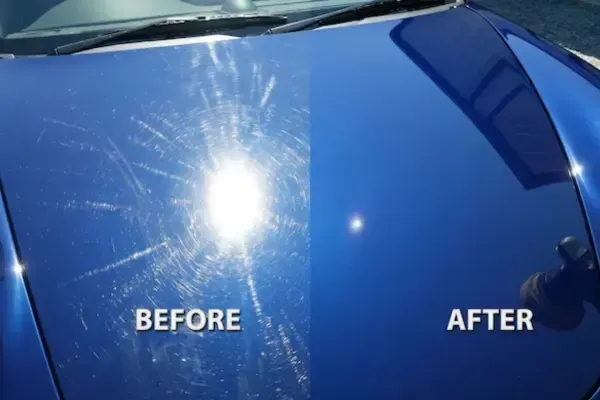
Professional paint correction fixes swirl marks and oxidation through multi-stage compounding and polishing processes.
Polish Plus uses professional-grade products and vehicle-safe methods that protect automotive surfaces during cleaning.
Regular maintenance detailing preserves results longer than weekly car washes, reducing long-term vehicle wear.
Why Does a Car Wash Leave Paint Damaged?
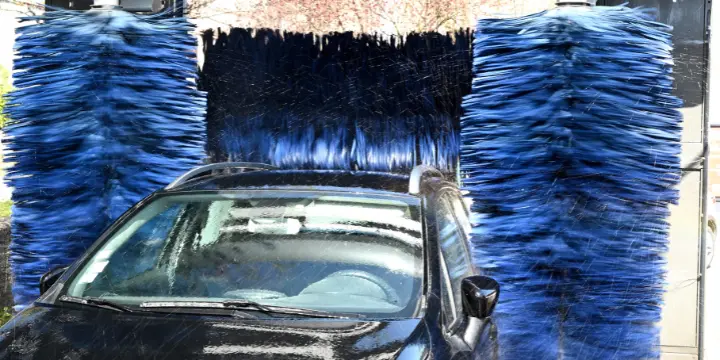
Spinning brushes cause most of the harm. Standard drive-through tunnels drag the same stiff bristles across every vehicle in line, grinding accumulated grit into the clear coat and leaving behind fine scratches known as swirl marks. We've inspected enough vehicles fresh from these tunnels to know the damage isn't rare, it's routine.
Professional detailers have a nickname for these tunnels: swirl-o-matics. That name reflects years of watching customers roll in with paint that looks duller after the wash than before it. A single pass rarely ruins a finish outright, but the marring compounds with every repeat visit.
Does going through the car wash every week actually hurt my paint?
Yes, and the damage builds gradually rather than all at once. Repeated automatic washes dull the paint, wear down the clear coat, and strip away protective wax or sealant far faster than normal driving would. Owners often don't notice the decline until the finish looks dull under direct sunlight.
Wake County's climate makes the problem worse. Intense sun exposure, road salt from winter treatments, and North Carolina's notorious red clay all attack a vehicle's finish, and a 90-second automated wash cannot address that combination. Contaminants get pushed around rather than lifted away.
Here's what separates a real threat to paint from a minor annoyance:
Swirl marks — fine scratches from brush friction, visible in direct light
Clear coat erosion — thinning of the protective layer from repeated abrasion
Reduced wax life — protective coatings stripped faster than they can be reapplied
Trapped clay and salt residue — contaminants ground into the surface instead of removed
We treat these as preventable outcomes, not inevitable ones, when the wash method is chosen carefully.
What Does Professional Detailing Actually Restore?
Professional detailing restores what a rinse-and-repeat wash simply cannot reach: clear coat clarity, headlight visibility, and true surface protection. We rely on specialized products, tools, and techniques that go well beyond what a basic car wash offers. A garden hose and soap can't correct months of oxidation or road grime baked into the clear coat. What common issues can detailing address that regular car washes do not? The answer lives below the surface, in the paint, the lenses, and the microscopic layer of contaminants a sponge glides right over.
Can Detailing Fix Swirl Marks and Dull Paint?
Yes. Paint correction targets the fine scratches, oxidation, and haze that build up in the clear coat over years of driving through Wake County pollen season and highway grit. A wash removes loose dirt, but it does nothing for defects already etched into the surface. Correction work is a multi-stage process of leveling that clear coat until gloss and depth return.
Why Do Headlights Turn Yellow, and Can Washing Fix It?
No amount of soap clears a cloudy headlight lens. Oxidation happens at a chemical level, not a dirt level, so headlight restoration is the only real fix for lenses that have gone yellow, hazy, or dull. We correct that deterioration directly, improving both appearance and nighttime visibility.
Beyond correction work, we choose paint-safe, surface-safe, pH-balanced products matched to the specific vehicle in front of us. That selection process matters:
Harsh, generic soaps strip wax and sealants faster than they clean.
The wrong pH level accelerates fading on trim and rubber seals.
Mismatched tools cause the very swirl marks a wash was supposed to prevent.
Restoration, not just cleaning, is the real difference we bring to every driveway in Cary, Raleigh, and beyond.
How Does Hand Washing Protect Your Finish?
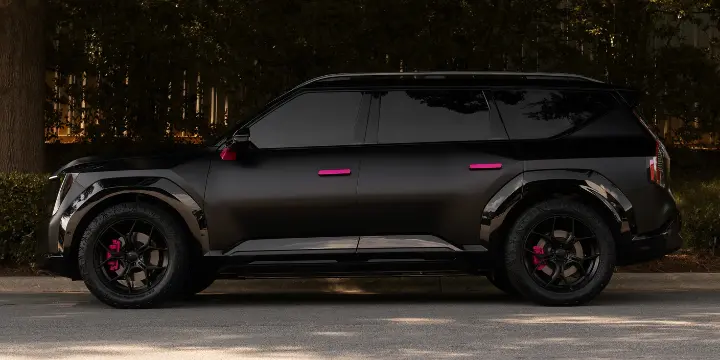
Hand washing protects a vehicle's finish by removing dirt through controlled, direct contact instead of spinning brushes. Our technicians use a safe hand-wash method to eliminate dirt and grime without harming the clear coat underneath. This distinction matters more than most drivers realize, especially in Wake County, where red clay and road grit cling stubbornly to paint.
Automatic tunnel washes rely on mechanized brushes that touch every vehicle in line. Those brushes carry abrasive dirt and debris left behind by the cars that passed through moments earlier. That contamination gets pressed into your paint at high speed, creating fine scratches known as swirl marks. Hours of careful polishing can be undone in a single pass through a wash like this.
Can a Car Wash Really Undo Professional Paint Work?
Yes. A vehicle that received twenty hours of meticulous paint polishing can lose that work in one trip through an abrasive tunnel wash. The spinning brushes don't discriminate between a freshly corrected finish and a mud-caked truck. Both get scrubbed with the same contaminated equipment.
We built our exterior process around avoiding that risk entirely. Our approach ranges from a basic maintenance shine to full paint restoration. Every step happens at your driveway or workplace using controlled, hand-applied technique.
Comparing the two washing methods:
Choosing hand washing over automated brushes preserves the gloss and depth we work to build into every finish we touch.
What Interior Problems Does a Car Wash Miss?
Crumbs, spills, pet hair, and everyday grime build up fast inside a cabin, and no exterior car wash ever touches them. Interior neglect tops the list. A basic vacuum pass skims the surface, leaving embedded dirt packed into seams, seat cushions, and floor mats where families and daily commutes leave their mark.
Our interior detailing process goes deeper than a quick tidy-up. We work every surface, crack, and corner inside the vehicle, restoring a cabin that feels sanitized and looks close to new. Door jambs, air vents, console seams, (spots a drive-through wash never reaches), all get proper attention.
Does a car wash remove pet hair from seats and carpet?
No. Automatic and self-serve washes clean glass and paint, not upholstery. Pet hair removal requires targeted extraction tools to pull hair embedded deep in carpet fibers, seat weaves, and floor wells. A self-serve vacuum may get some pet hair, but it won't be able to remove all of it.
Can a car wash get rid of odors?
Rarely, and never for long. Surface sprays mask smells temporarily instead of solving them. Odor removal through professional detailing addresses the source of persistent odors — trapped moisture, bacteria, or organic residue — rather than covering the problem with fragrance.
Common interior issues a standard wash leaves behind include:
Ground-in crumbs and food residue in seat crevices
Pet hair woven into carpet and upholstery fibers
Stubborn odors from spills, moisture, or daily use
Dust and grime collecting in vents and door panels
We treat these problems as core to the job, not an upsell. Because a truly clean vehicle starts on the inside.
When Should Wake County Drivers Book a Detail?
Timing matters as much as technique. Wake County drivers protect their vehicles best by scheduling basic detailing services roughly every three to six months, a rhythm strong enough to guard both cabin surfaces and exterior paint against Carolina heat, pollen season, and winter road grime. Waiting longer than that lets contaminants set into carpet fibers. Clear coat, turning a routine refresh into a bigger restoration job.
We built our maintenance detailing service around this cycle. Once a vehicle has gone through a full detail, paint correction, or ceramic coating, regular upkeep protects that investment instead of letting everyday wear erase it. Skipping maintenance visits means dirt, road film, and stains slowly creep back in until another major service becomes necessary.
How do I know if my car needs interior or exterior detailing?
Sticky cupholders, faded trim, or pet hair buried in the carpet all signal it's time. On the exterior side, dull paint or water spots that survive a wash point to buildup a sponge can't remove.
Do I have to bring my car to a shop?
Not with us. Our mobile detailing model brings the entire service to a customer's driveway or workplace parking lot in Raleigh, Cary, Apex, Holly Springs, or Wake Forest, eliminating the drop-off-and-wait routine most shops require.
We've earned that trust one vehicle at a time. Feedback from 89 five-star Google reviews reflects a growing base of Wake County drivers who rely on us for consistent, on-schedule care rather than one-off cleanups.
Conclusion
In closing, the difference between a car wash and professional detailing comes down to expertise, equipment, and genuine care for your vehicle's condition. While a wash removes surface dirt, detailing restores and protects—addressing stains, paint imperfections, interior wear, and long-term damage that ordinary washing cannot fix. When you choose professional detailing, you invest in workmanship that transforms your vehicle's appearance and preserves its value. Your vehicle deserves more than a quick rinse; it deserves the meticulous attention that brings showroom-quality results to your driveway. Explore our services page to learn more or contact us today to get a free estimate for your vehicle!