Ceramic Coating vs Paint Protection Film
Ceramic Coating vs Paint Protection Film
Ceramic coating and paint protection film solve different problems: ceramic coating bonds a professional-grade nano-layer to paint for hydrophobic shine and chemical resistance. PPF adds a physical barrier against rock chips and road debris. Combining both delivers gloss plus impact protection when installed properly. We apply ceramic coating throughout Cary, NC and the surrounding areas. Combining both delivers gloss plus impact protection when installed properly.
Key Takeaways
Ceramic coating chemically bonds to paint, creating a protective layer that resists environmental damage and enhances gloss.
Paint protection film acts as a physical barrier against rock chips, road debris, and impact damage that ceramic coating cannot prevent.
Ceramic coating costs significantly less than full-vehicle paint protection film installation while still delivering meaningful paint protection.
Both solutions require proper paint preparation before application to ensure maximum durability and long-term performance results.
What Really Separates Ceramic Coating From PPF?
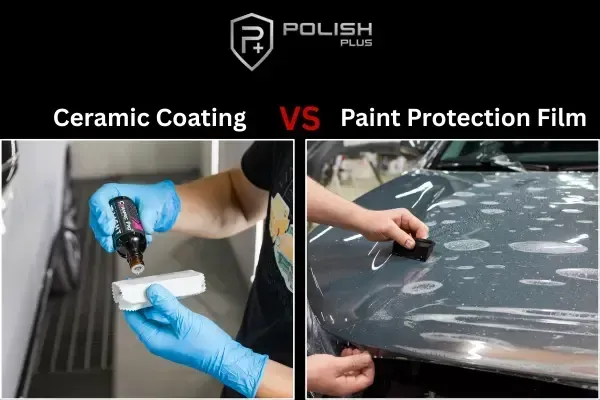
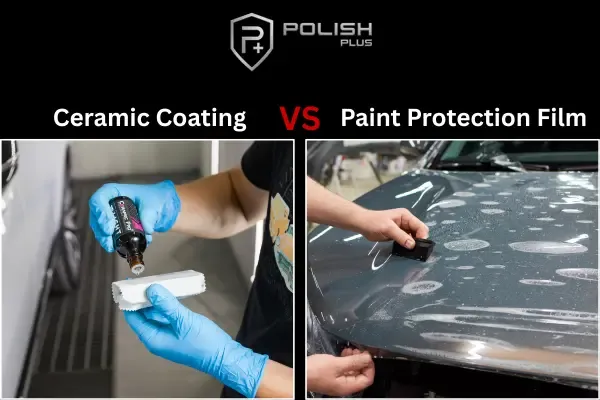
Physical protection versus chemical protection marks the real dividing line between these two finishes. Paint protection film works as a tough, physical barrier that absorbs rock chips and road debris before they reach the clear coat. Ceramic coating takes a different approach, chemically bonding to the paint surface to resist environmental damage while adding noticeable gloss. Neither method does the other's job perfectly, which is why the right choice depends on what a vehicle owner actually needs to guard against.
We think of PPF as armor and ceramic coating as a shield against chemistry. PPF, sometimes called clear bra, is a transparent, thin layer of flexible thermoplastic polyurethane engineered for durability against impact. Ceramic coating, by contrast, functions as a professional-grade nano-coating that protects a vehicle from harsh sun, rain, and road grime without adding physical thickness to the paint.
Does PPF Stop Rock Chips Better Than Ceramic Coating?
Yes. Because PPF is a physical film, it absorbs impact from debris in a way a chemical bond cannot. Ceramic coating adds gloss and chemical resistance, but it will not stop a stone strike the way film does.
Can We Apply Ceramic Coating At A Customer's Home?
We bring mobile ceramic coating application directly to the customer's driveway. This mobile-first approach lets Wake County owners protect their vehicle's finish without giving up a day to a shop visit. However, for the best results, it is best to perform the coating inside a garage. For our customers that don't have a garage at their residence, we have a dedicated location they can bring their car.
How Does Ceramic Coating Protect Your Car's Paint?
Ceramic coating bonds directly to the clear coat and forms a hard, chemical-resistant layer over the paint. We apply Majestic Solutions coating products across our Wake County service area. Each installation is built around the vehicle's condition and the protection level a customer wants. When we discuss Ceramic Coating vs Paint Protection Film with clients, we start by explaining how the ceramic layer actually works on the surface.
The coating creates a hydrophobic shield across the paint. Water and mud bead up on contact and slide off rather than clinging to the surface, which makes routine washing far easier. That same barrier fights the sun, too. Raleigh summers push serious UV exposure onto parked vehicles. The coating helps prevent paint from fading or oxidizing under that heat.
Chemical resistance is another core benefit. Bird droppings, tree sap, and other contaminants sit on top of the coating instead of etching into the clear coat underneath. Over months of driveway parking and daily commutes, that resistance protects the paint's structural integrity, not just its shine.
Does ceramic coating make paint look glossier?
Yes. Coated paint develops a deep, wet-look gloss that holds for years rather than the few weeks a traditional wax provides. We see this most clearly on darker vehicles, where the coating amplifies depth and clarity.
Protection breakdown:
Hydrophobic layer – repels water and mud, easing wash time
UV defense – slows fading and oxidation from sun exposure
Chemical barrier – blocks sap, droppings, and acid rain from reaching clear coat
Gloss retention – maintains a wet-look finish for years
Warranty options apply depending on the specific coating selected for the project.
What Physical Protection Does PPF Add That Coatings Can't?
Paint protection film adds a thicker, more durable barrier that physically absorbs rock chips, scratches, and road debris before they reach the clear coat. Ceramic coating strengthens paint chemically, but it cannot stop a gravel strike on I-40 from chipping a fender. That distinction sits at the heart of our Ceramic Coating vs Paint Protection Film conversations with Wake County clients every week.
We explain the difference this way: coatings guard against chemical and environmental damage, while film guards against impact. For daily drivers navigating Raleigh, Cary, and Apex roads, both threats are real, but only one of them dents metal.
What PPF adds beyond a coating:
A thick polyurethane layer built to take the hit instead of the paint
Self-healing properties in certain film products, letting minor scratches and swirl marks disappear with heat or time
A physical shield for high-impact zones like front bumpers, mirrors, and rocker panels
Does PPF Really Heal Its Own Scratches?
Certain film products carry a self-healing top layer. Light scratches and swirls from everyday wear soften and vanish as the film warms in sunlight or under a heat gun, restoring a smooth surface without polishing.
Is PPF Worth the Extra Cost for My Vehicle?
Film installation costs noticeably more than ceramic coating, particularly across full-vehicle coverage. That's why many owners reserve film for high-impact panels and pair it with coating elsewhere. Before either goes on, we recommend paint correction to remove existing deep scratches, swirls and haze, since neither film nor coating fixes damage already sitting in the clear coat.
Which Protection Fits Your Wake County Vehicle Best?
Driving habits decide the answer more than personal preference does. A commuter grinding through Raleigh's I-40 traffic every day faces different risks than a weekend cruiser kept in a Cary garage. Each vehicle deserves protection matched to its actual exposure.
As a locally owned, owner-operated detailing company serving Raleigh, Cary, Apex, Holly Springs, Wake Forest, and the surrounding Wake County area, we assess each car before recommending a path. Ceramic coating forms a chemical bond with the clear coat, adding gloss while resisting UV fading, oxidation, and everyday grime. Paint protection film works differently, acting as a physical barrier that absorbs rock chips and road debris before they ever reach the paint.
Neither option performs at its best without the right groundwork. Paint preparation, including correction when the finish shows swirls or haze, gets the surface ready for whichever protection a vehicle's actual condition calls for. Skipping that step traps existing imperfections underneath the coating or film instead of fixing them.
Can we combine both protections on one vehicle?
Yes, and many Wake County owners do exactly that. Applying ceramic coating over paint protection film in high-impact zones, like the front bumper and hood, delivers hydrophobic, UV-resistant surface performance layered on top of physical impact defense.
Does protection affect resale value?
It does, and the difference shows up at the negotiating table. A protected vehicle with a documented coating history typically commands a stronger price when it comes time to sell, since buyers see evidence of consistent, professional care rather than guesswork.
Should You Combine Ceramic Coating and PPF Together?
Yes, pairing both protective layers gives a vehicle chemical resistance and physical impact defense at the same time. We often recommend this combination for owners who want the glossy, easy-clean surface of a coating along with a shield against rock chips and road debris on high-impact panels. Ceramic coating vs paint protection film isn't really an either-or decision for many of our Wake County customers, it's a layering strategy.
Before either product goes on, we assess the paint itself. Our multi-stage paint correction process is built around each vehicle's actual condition. The finish the owner wants, not a one-size-fits-all routine. Correction removes swirl marks, light scratches, and other imperfections that a simple wash never touches. That clean, leveled surface matters, because coating or film applied over damaged paint locks in those flaws rather than hiding them.
Do I Need Paint Correction Before Ceramic Coating or PPF?
Not always. If the paint is already in solid shape, we say so plainly rather than pushing a service that isn't needed. Honest recommendations matter more to us than upselling every vehicle that comes through.
What's the Practical Combination Approach?
Many owners choose a straightforward split:
Paint protection film on the front bumper, hood, and mirrors for physical defense
Ceramic coating across the remaining panels for gloss and chemical resistance
Paint correction work first, wherever the paint condition calls for it
Ready to talk through the right combination for your car? Call us or book online, and we'll walk through options based on what your paint actually needs.
FAQ's About Ceramic vs PPF
Which offers better protection against rock chips, ceramic coating or PPF?
Paint protection film offers better rock chip protection because it is a physical barrier that absorbs impact from road debris. Ceramic coating only provides chemical resistance and gloss enhancement.
Can Polish Plus apply ceramic coating without a shop visit?
Yes, Polish Plus applies mobile ceramic coating directly at a customer's home throughout Wake County, letting owners protect their paint without scheduling a shop appointment. For the best results, we highly recommend performing the coating in the customer's garage.
What products does Polish Plus use for ceramic coating installations?
Polish Plus uses Majestic Solutions ceramic coating products, building each installation around the existing paint condition and the protection level the customer wants.
Conclusion
In closing, both ceramic coating and paint protection film deliver meaningful protection—the choice depends on your vehicle's needs, your maintenance preferences, and your long-term goals. Ceramic coating offers enduring gloss and easier upkeep for vehicles that receive regular care. Paint protection film excels at shielding high-impact areas from physical damage. The best decision starts with an honest assessment of your vehicle's condition and how you plan to maintain it. Professional guidance ensures you select the protection strategy that truly serves your vehicle and your lifestyle.