Benefits of Paint Correction for Vehicles
Benefits of Paint Correction for Vehicles
Paint correction removes swirls, light scratches, and oxidation that dull a vehicle's clear coat, restoring deep gloss and clarity standard waxing cannot achieve. We perform multi-stage compounding and polishing tailored to each vehicle's paint condition, revealing a flawless finish that enhances resale value and showroom-level appearance throughout Cary, Raleigh and all of Wake County, North Carolina.
Key Takeaways
Paint correction removes swirl marks, scratches, and oxidation that ordinary washing cannot address.
Multi-stage correction process restores gloss and clarity to automotive paint surfaces safely.
Professional paint correction protects your vehicle's resale value by eliminating visible finish defects.
Corrected paint requires less frequent detailing maintenance and stays cleaner longer overall.
Contact us for a free quote for your vehicle.
What Is Paint Correction, Exactly?
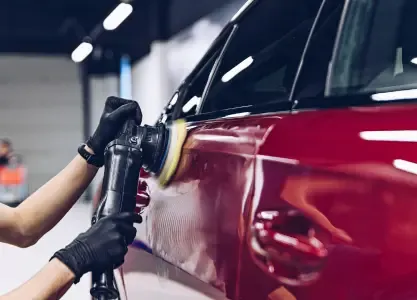
Paint correction is a specialized detailing process that addresses defects ordinary washing cannot touch. We treat it as a professional machine polishing process, one that physically removes surface imperfections rather than hiding them under a temporary layer of wax or glaze. That distinction matters. A wax fills in scratches for a few weeks; correction eliminates them from the clear coat itself.
Where do these imperfections come from? In our experience, the culprits are rarely dramatic. Automatic car washes, improper hand-washing techniques, and plain everyday wear all leave tiny marks embedded in the clear coat over time. Parking lot dust, spinning brushes, and even a dirty wash mitt, grind in swirl patterns that become visible under direct sunlight.
Can minor scratches affect my car's value?
Yes. Even small, shallow imperfections can affect both a vehicle's appearance and its resale value. A dull, swirl-marked finish signals neglect to a potential buyer, regardless of how well the engine runs or how clean the interior looks.
How is correction different from a standard polish?
A standard polish adds temporary gloss on top of existing damage. Our correction process works in stages:
Assessment: identifying scratch depth and clear coat condition
Compounding: leveling heavier defects
Polishing: refining clarity and depth
Finishing: restoring the mirror-like reflection
Each stage removes material rather than concealing it.
What Paint Defects Does Correction Remove?
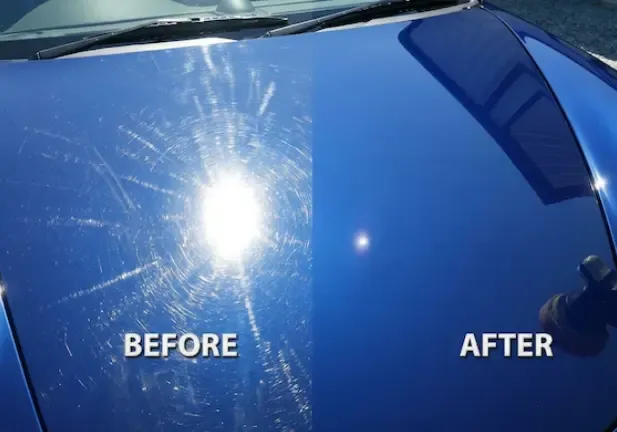
Swirls, scratches, and a dull hazy finish are the three defects paint correction removes most often. Every car develops these marks over time, whether from automatic car washes, improper drying, or years of sun exposure. We see them most clearly under direct sunlight, where flat, lifeless paint reveals just how much damage has built up beneath the surface. Not every vehicle carries the same level of damage, though. Age, prior care, paint type, and exposure to contaminants all shape how severe these defects become. A car that's been hand washed for years looks very different under inspection than one that's spent its life in automated washes.
The defects we commonly correct include:
Swirl marks from improper washing or wiping on a dirty surface
Light scratches caused by road debris and everyday contact
Deeper scratching from impacts or careless handling
Marring that dulls the clear coat's reflective quality
Oxidation exposed where harsh chemicals have eaten into the paint
Why Do Small Scratches Matter If They're Barely Visible?
Small scratches might look harmless, but they compromise the clear coat's protective barrier. That exposure leaves the surface vulnerable to corrosion from dirt and airborne pollutants. Left untreated, minor marring often develops into deeper, more stubborn damage.
Can Chemicals Damage Paint That Looks Clean?
Yes. Harsh chemicals encountered during routine driving and washing gradually eat away at the clear coat. Once that layer weakens, the metal beneath becomes exposed to oxidation, accelerating further deterioration.
How Does Multi-Stage Polishing Restore Clarity?
Multi-stage polishing restores clarity by working through distinct phases, each targeting a different layer of paint damage. We select the correction process based on the vehicle's specific paint condition and the result the customer wants to achieve. A daily driver with light swirl marks needs a different approach than a car with deeper scratches or years of oxidation.
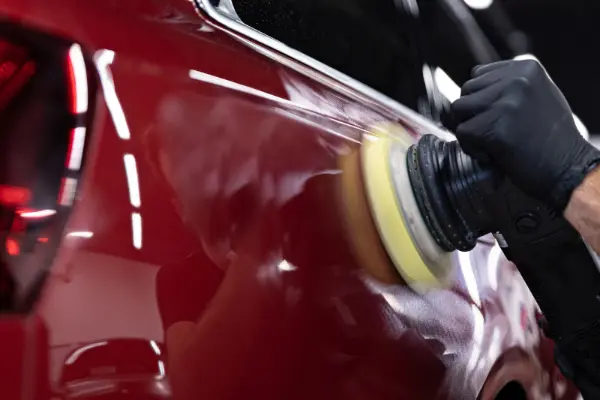
The process typically moves through several stages: preparation, compounding, polishing, and finishing. Preparation cleans and decontaminates the surface so nothing interferes with the correction. Compounding cuts down heavier defects using more aggressive pads and products. Polishing refines the surface further, and finishing brings out the final gloss and depth. We rely on high speed polishers and professional compounds throughout this sequence to level the clear coat and reveal a deep, mirror-like finish underneath years of wear.
Does Every Car Need the Same Number of Stages?
No. The exact correction process varies by vehicle rather than following one identical formula for every car. A lightly used commuter car may only need one stage. A neglected paint surface might require a full multi-stage approach, while scratches that are deep enough to feel with your fingernail usually require wet sanding.
Why Can't a Single Polishing Pass Fix Deep Swirls?
A single pass addresses surface haze but can't fully level deeper clear coat damage. The Benefits of paint correction for vehicles include the ability to work progressively, removing material in controlled amounts until the paint reaches its clearest, most reflective state without over-correcting the surface.
Why Does Paint Correction Improve Gloss And Value?
Gloss returns when the clear coat gets leveled and smoothed, removing the micro-damage that scatters light across the surface. Our approach to paint correction targets that exact problem: we assess each vehicle's condition and work toward safely improving gloss, clarity, and overall paint appearance rather than applying a one-size-fits-all polish. The benefits of paint correction for vehicles go beyond a temporary shine. A well-executed correction enhances a car's appearance in a way that holds up. It protects resale value over the long run instead of just masking problems for a few weeks.
Scratches, swirl marks, and water spots make paint look tired even on a well-maintained vehicle. Paint correction remedies those blemishes directly, which keeps a car looking its best and in genuinely better condition, not just temporarily disguised. Done correctly, the paint can look better than it has in years, in some cases better than the day the car was purchased.
Does paint correction add value?
Yes. A corrected finish signals a well-cared-for vehicle, which matters at resale or trade-in. Buyers notice haze, swirl marks, and dull clear coat immediately, and clean paint removes that hesitation.
How is correction different from wax or polish?
Wax and polish sit on top of the clear coat and add temporary shine. Correction physically levels the surface, removing the imperfections instead of covering them, which is why the results last and look deeper.
Does Correction Prepare Paint For Ceramic Coating?
Correction prepares paint for ceramic coating by stripping away swirl marks, oxidation, and surface haze before any protective layer goes on. Proper preparation, including correction when the paint condition calls for it, stands as a critical step before applying a ceramic coating. Skipping this groundwork traps imperfections underneath the coating, locking in flaws rather than erasing them. Among the benefits of paint correction for vehicles, this preparatory role ranks as one of the most practical. It determines how the finished surface actually looks once sealed.
Ceramic coating exists to give corrected paint longer-lasting protection and easier washing down the road. Our mobile correction service brings body-shop-level polishing work straight to a customer's driveway, which means the prep stage happens without a shop drop-off. We treat paint care as more than cosmetic. Keeping a vehicle's finish pristine protects long-term value, not just visual appeal.
Can we skip correction and still ceramic coat the car?
Ceramic coating over uncorrected paint seals in existing scratches and haze permanently. We generally recommend correction first so the coating bonds to a clean, leveled surface rather than locking in damage.
How does correction change the coating's final look?
A corrected surface reflects light evenly, giving the coating a deeper, glassier appearance. Uncorrected paint under a coating still shows swirls and dullness, just with added gloss.
FAQ
What does paint correction remove from a vehicle's finish?
Paint correction removes swirl marks, scratches, oxidation, and marring that dull a car's clear coat. These defects come from automatic car washes, improper hand-washing, road debris, and years of sun exposure.
How does paint correction differ from a standard wax or polish?
A standard polish adds temporary gloss on top of existing damage. Correction physically removes imperfections through compounding, polishing, and finishing stages. This process eliminates scratches from the clear coat instead of masking them.
Why does paint correction matter for a vehicle's resale value?
A dull, swirl-marked finish signals neglect to potential buyers regardless of mechanical condition or interior cleanliness. Removing these defects restores gloss and clarity, protecting the vehicle's overall appearance and resale value.
Conclusion
In closing, paint correction transforms vehicle aesthetics by addressing the root cause of dullness rather than masking it temporarily. The multi-stage process removes swirl marks, oxidation, and surface damage that accumulate through everyday driving, restoring gloss and clarity that protect long-term value. Whether preparing paint for ceramic coating or reviving a neglected finish, correction delivers results that hold up, leaving vehicles looking substantially better than when the service began. If you're interested in paint correction services in Cary, Raleigh or anywhere else in the Triangle, give us a call. We'll discuss your vehicles needs and give you a free quote! Our mobile unit is fully equipped to bring professional paint correction right to you.